When you’re moving out in Denver, a good move-out cleaning checklist can make the whole process feel a lot less stressful. I like to go room by room so the home is inspection-ready, take clear photos once each space is finished, and keep every receipt, message, and move-out note together in one place to help avoid unnecessary deposit disputes.
TL;DR — Move-Out Cleaning Denver Checklist: Room-by-Room + Photos
This guide explains how Denver renters can clean before moving out, document the home with photos, and prepare for the final walkthrough.
Key takeaways:
- Start with trash removal, packing dust, and floor-to-ceiling dusting before detailed cleaning.
- Focus extra time on kitchens, bathrooms, floors, appliances, baseboards, and inside cabinets.
- Take date-stamped photos after each room is empty and cleaned.
- Colorado security deposit rules generally require landlords to return deposits within one month unless the lease allows more time, up to 60 days.
- Normal wear and tear is different from dirt, damage, trash, or neglected cleaning.
- A clean photo record helps support move-out communication and deposit return requests.
What should a move-out cleaning checklist include?
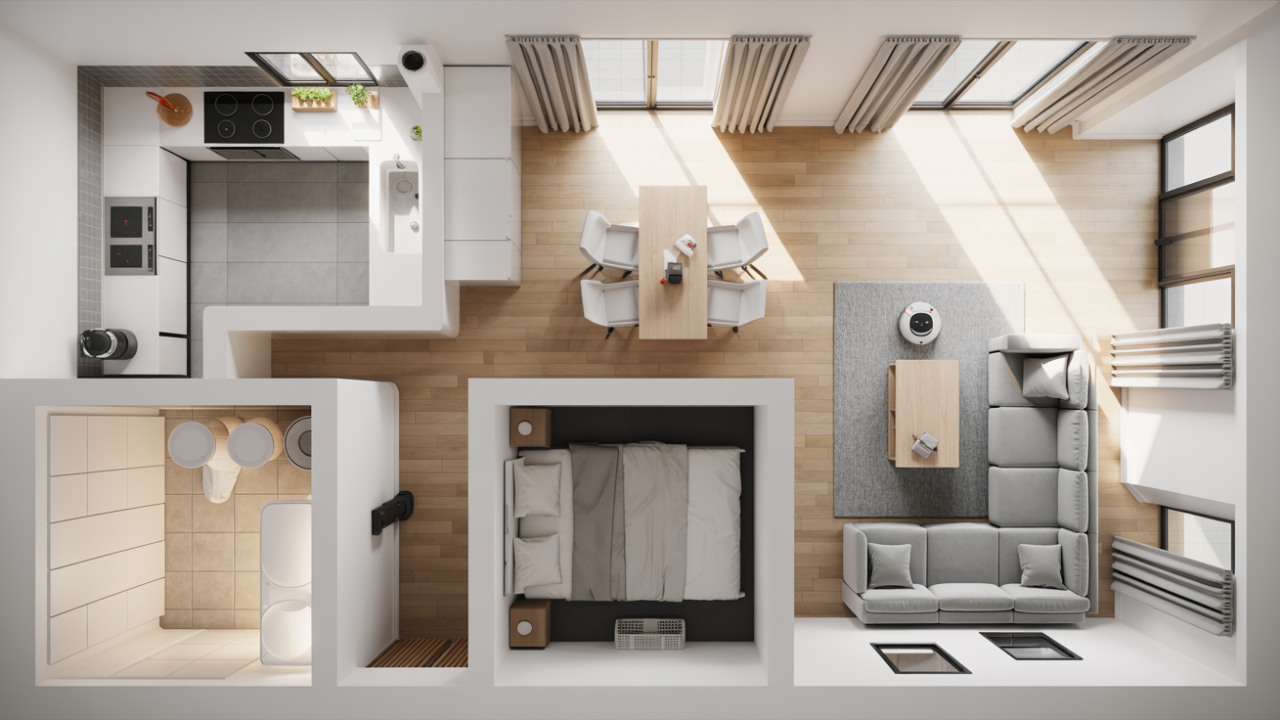
When I put together a move-out cleaning checklist, I think about what a landlord or property manager is going to notice the second the home is empty. I want every visible area covered, not just the obvious spots. That usually means the kitchen, bathrooms, bedrooms, closets, floors, walls, appliances, cabinets, baseboards, windows, and even the outdoor entry area if it’s part of the lease.
A move-out clean is very different from a regular weekly cleaning. Once the furniture, rugs, shelves, and boxes are gone, everything is out in the open. Little things that were easy to miss before start standing out fast. Dust lines show up. Wall marks are easier to see. You notice crumbs in cabinets, pet hair along the edges, buildup on the floors, and all those corners that didn’t seem like a big deal when the home was still lived in.
In Denver, I always pay extra attention to dry dust, tracked-in grit, pet hair, and baseboards. Our climate has a way of making dust settle quickly, and empty rooms show every bit of it.
Why does move-out cleaning matter for Denver renters?
When I’m helping someone get ready to move, I always say the kitchen is one of the biggest rooms to get right. It gets noticed fast during a walkthrough, and a thorough cleaning can help remove one very common reason for move-out complaints or deductions, which is leftover grime, food, grease, and trash. It does not guarantee your full deposit back, of course, but it does make the handoff feel a whole lot smoother.
I like to clean the kitchen from top to bottom, so I’m not knocking dust or crumbs onto areas I already finished. Start by emptying everything. Take all food out of the refrigerator, freezer, pantry, and cabinets. Check for forgotten spices, ice trays, shelf liners, and little items tucked in the back corners.
Next, clean the refrigerator inside and out. Wipe shelves, drawers, walls, handles, and the rubber seals around the doors. Do the same with the freezer. After that, move to the stove and oven area. Clean the stovetop, burner areas, control knobs, and backsplash. If your lease expects the oven to be cleaned, make sure you handle the inside too. Then wipe down the microwave inside and outside.
Once the appliances are done, work through the cabinets and drawers. Wipe cabinet fronts, pulls, shelves, and drawer interiors. Grease and crumbs tend to hide around handles and along the edges, so I always slow down there. Then scrub the sink, faucet, drain area, and disposal opening, and wipe all countertops, especially along the back edge and corners where residue likes to collect.
Finish with the floor. Sweep first, then mop well, and get as far under the appliance edges as you safely can. If you can reach those narrow spaces beside the fridge or stove, it is worth doing. That is where dust, crumbs, and sticky buildup often get left behind.
Before you leave the room, do one last check with fresh eyes. Open the fridge, freezer, cabinets, and drawers. Look at handles, backsplash spots, and the floor edges. Then take a few photos once everything is fully finished. That way, if questions come up later, you have a clear record that the kitchen was left clean and cared for.
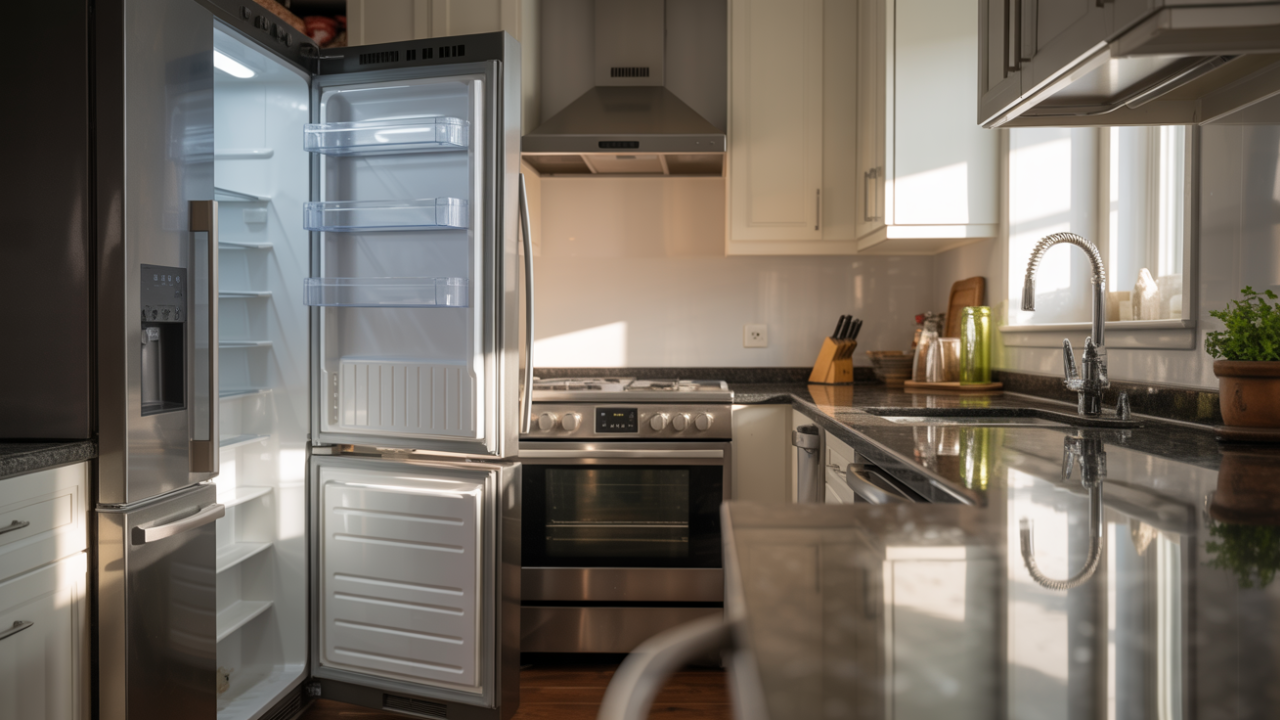
When I’m cleaning a kitchen for a move-out, I always work from the inside out. It helps catch the stuff that gets flagged most often during inspection, like food residue, crumbs, grease, and buildup inside appliances. I start with the refrigerator, freezer, pantry, cabinets, and drawers, then finish up the outside surfaces and floors.
I empty the refrigerator first. After that, I clean the shelves, drawers, door bins, handles, and even the rubber seals around the door. Unless your lease or property manager says otherwise, I leave the refrigerator on.
For the oven and stovetop, I start by removing any loose crumbs. Then I go after the grease, baked-on messes, knobs, drip areas, and the backsplash around it. If I’m using oven cleaner, I make sure to follow the product directions carefully and keep the room ventilated.
Cabinets matter more than most people think. A kitchen can look clean at first glance, but if there are crumbs in the drawers or sticky spots on the shelves, that can still come up during inspection.
How should you clean bathrooms before moving out?
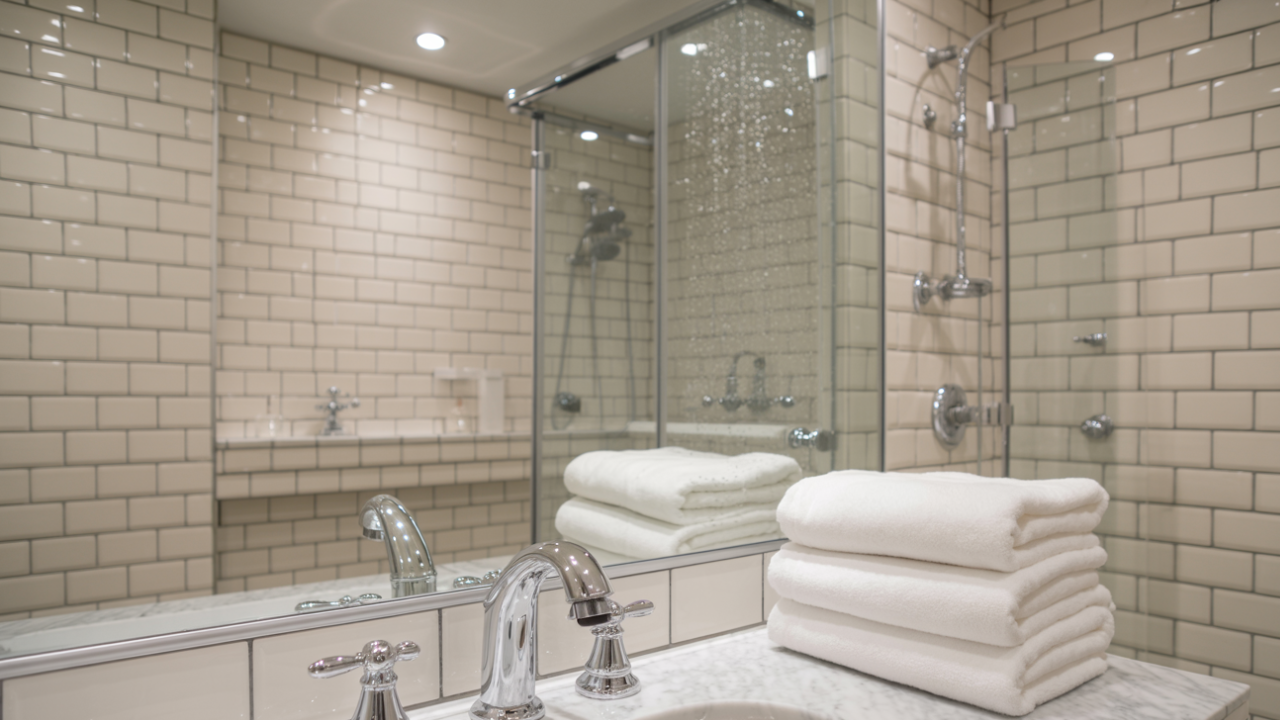
Bathrooms should be cleaned for sanitation, shine, and detail because small missed areas are easy to see in an empty space. Focus on toilets, showers, tubs, sinks, mirrors, floors, fan covers, and the edges around fixtures.
Soap scum, hard water spots, hair, and dust collect quickly in bathrooms. Use the right product for each surface, and do not use abrasive tools on finishes that can be scratched.
Pay close attention to the floor behind the toilet, the base of the vanity, shower door tracks, tub corners, and the area around the drain. These are small spots, but they often make the difference between “wiped down” and truly move-out ready.
How should you handle walls, baseboards, and floors?
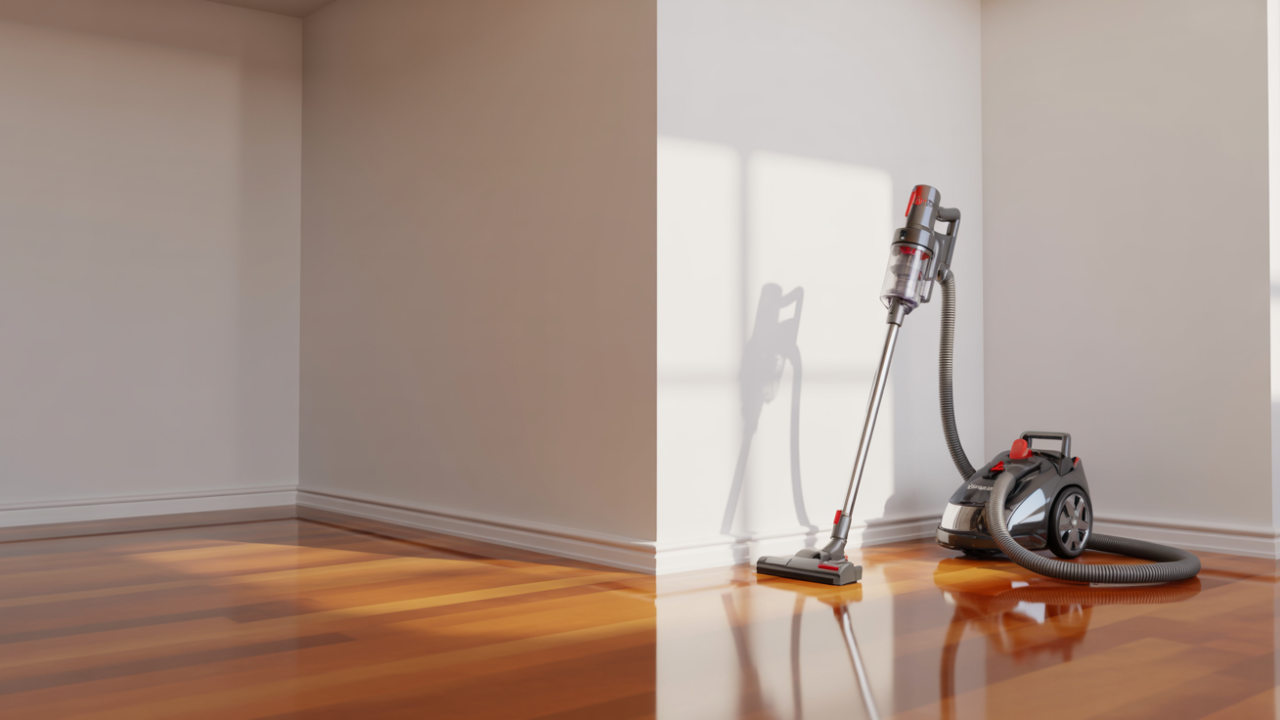
Walls, baseboards, and floors should be cleaned carefully because they show the outline of how the home was lived in. Dusty baseboards, carpet edges, furniture marks, and sticky floor spots become much more visible once the home is empty.
For walls, start gently. Use a soft cloth or a lightly damp sponge and test a small area first. Scrubbing too hard can remove paint or create a larger problem.
For baseboards, vacuum first and then wipe. Denver dust can settle along floor edges, especially near windows, vents, and entry doors.
For carpet, vacuum slowly in overlapping lines. For hard floors, sweep first, then mop with a product that matches the floor type. Avoid soaking wood or laminate floors.
Buffalo University notes that indoor pollution sources that release gases or particles are a primary cause of indoor air quality problems, and common indoor pollutants can include dust mites and pet dander. That is one reason a detailed final vacuum and dust removal pass can matter, especially in homes with pets or allergies.
What photos should you take after move-out cleaning?
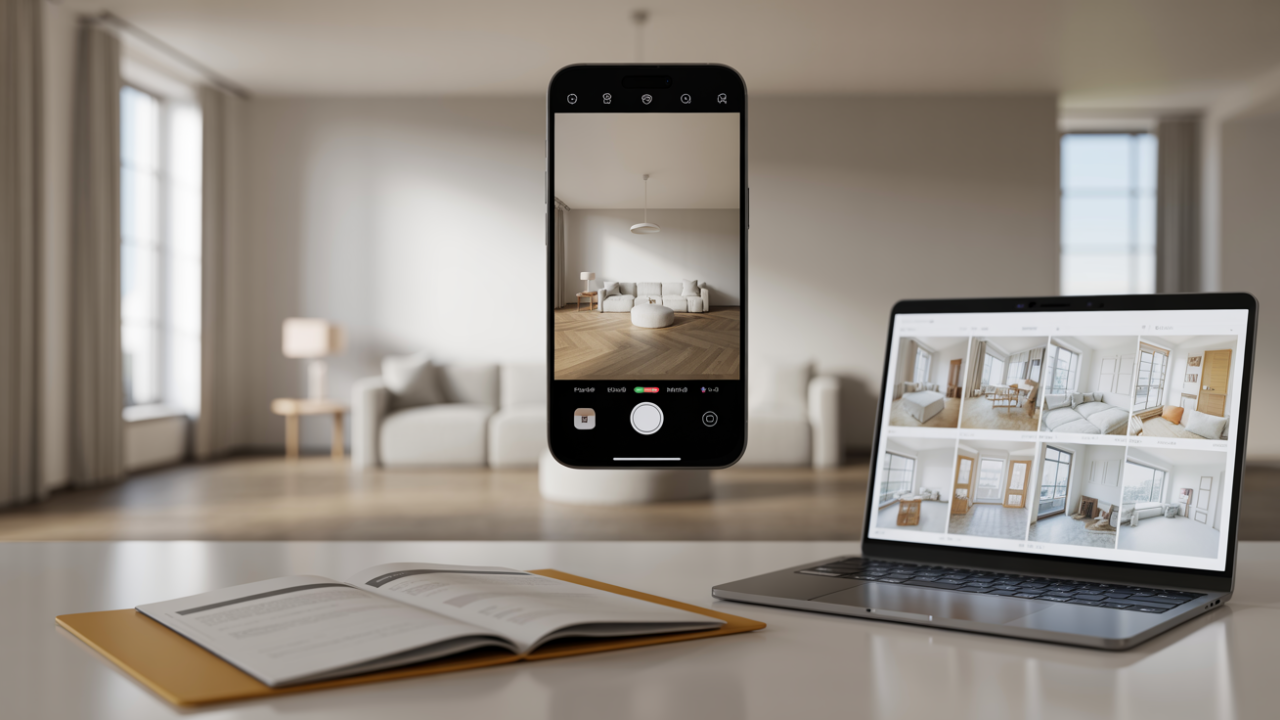
Move-out photos should show that each room was empty, cleaned, and left in reasonable condition. Take photos after cleaning, not before, and make sure the room has enough light.
Take photos of:
- Each full room from multiple corners
- Floors, walls, windows, and closets
- Inside cabinets, drawers, refrigerator, freezer, oven, and microwave
- Bathroom sinks, toilets, showers, tubs, mirrors, and floors
- Entry doors, keys, garage spaces, patios, or balconies, if included
- Any pre-existing damage you previously reported
- Final utility readings, if applicable
Use a consistent pattern. Stand in each corner, photograph the room, then take detailed photos of appliances, cabinets, closets, and fixtures. Save the photos in a folder labeled with the property address and move-out date.
How do photos help with deposit return requests?
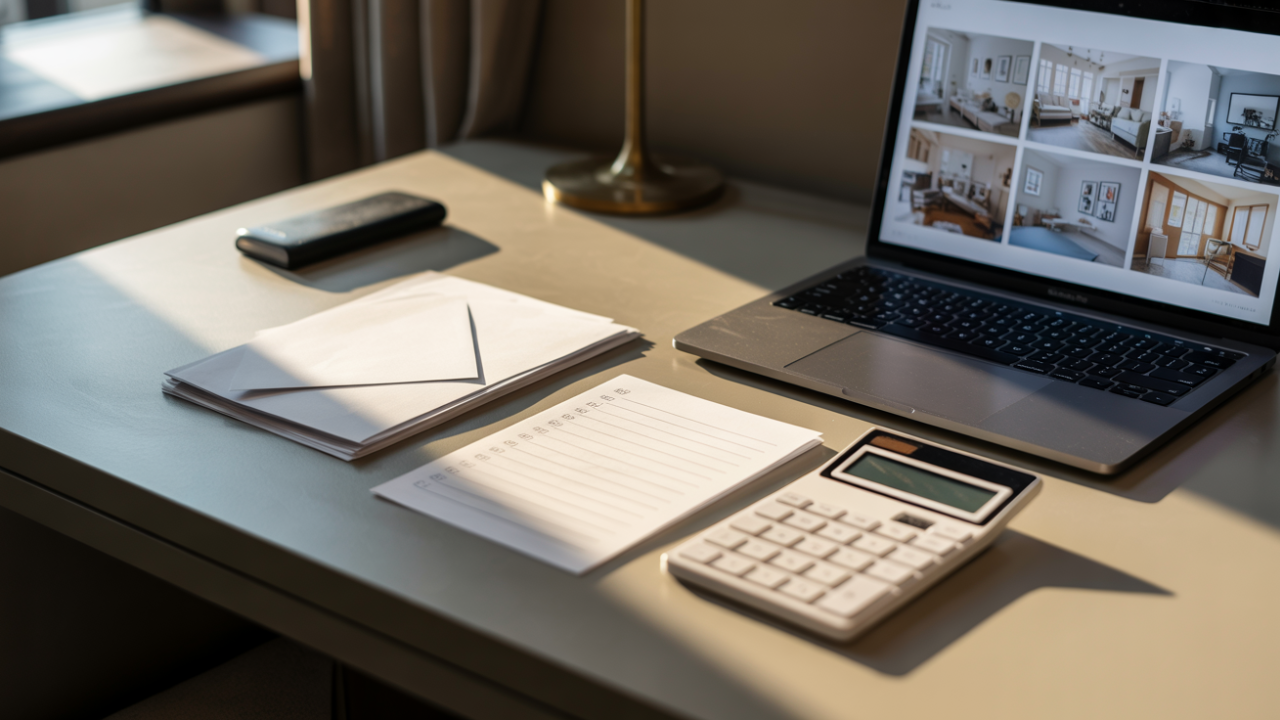
If you want to make a deposit return a little less stressful, I always recommend taking photos after move-out cleaning. They give you a clear record of the home’s condition when you left, which can really help if there’s any confusion later about trash, dirt, appliances, or how a room looked.
I’d also keep the photos organized. Don’t leave yourself with 200 random pictures buried in your camera roll. Make a folder, label each room, and save any move-out emails or texts in the same place. If you ever need to reference anything later, it’s all easy to find.
A quick message helps too. I’d send something simple like ” Hi, I finished the move-out cleaning and returned the keys. I attached photos of the cleaned, empty unit for our records.
It only takes a minute, but it gives you a clean paper trail and a little more peace of mind.
What is normal wear and tear versus cleaning?
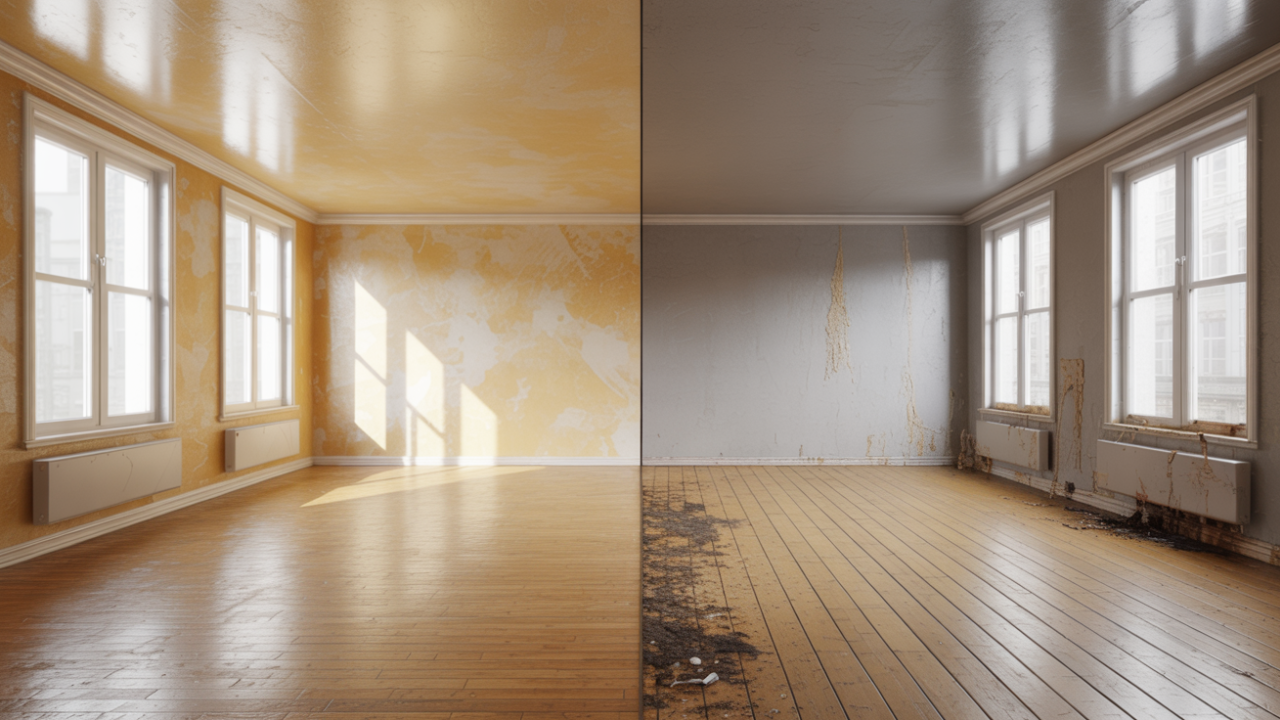
I usually explain it this way. Normal wear and tear is the light aging that comes from everyday living. Things like scuffed floors, small traffic patterns in the carpet, or paint that has faded over time are often looked at differently than actual cleaning issues. Cleaning issues are the things that can usually be removed, like a dirty oven, sticky cabinets, heavy soap scum, leftover trash, or general buildup.
Cleaning can do a lot, but it can’t fix everything. It won’t repair broken blinds, cracked tile, pet damage, holes, or stains that need professional treatment. What it can do is make a big difference in how a home looks and feels. A thorough clean can take a space from looking neglected to looking respectfully returned.
If you’re not sure which category something falls into, I always recommend cleaning what can be cleaned and documenting what can’t. That keeps the record clear and helps everyone see the condition of the home more accurately.
When should you schedule move-out cleaning?
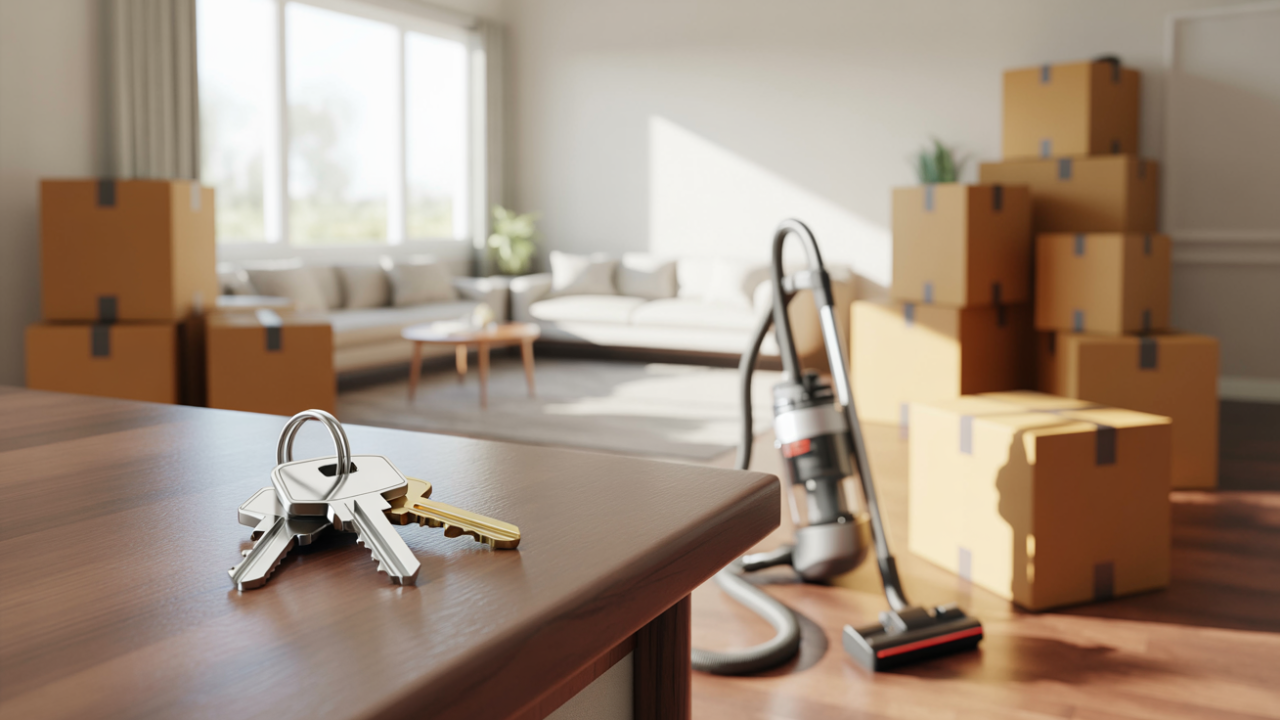
Move-out cleaning should be scheduled after most belongings are removed but before your key return or final walkthrough. The best timing is usually the last full day you have access to the property.
If you clean too early, moving boxes and foot traffic can create new dust, crumbs, and floor marks. If you wait until the final hour, you may not have enough time for appliances, bathrooms, and photos.
For larger homes, pet homes, or apartments with elevators and parking limits, give yourself more time than you think you need. Move-out days run smoother when cleaning is not squeezed between movers, utility shutoff, and key return.
What should you ask your landlord or property manager before cleaning?
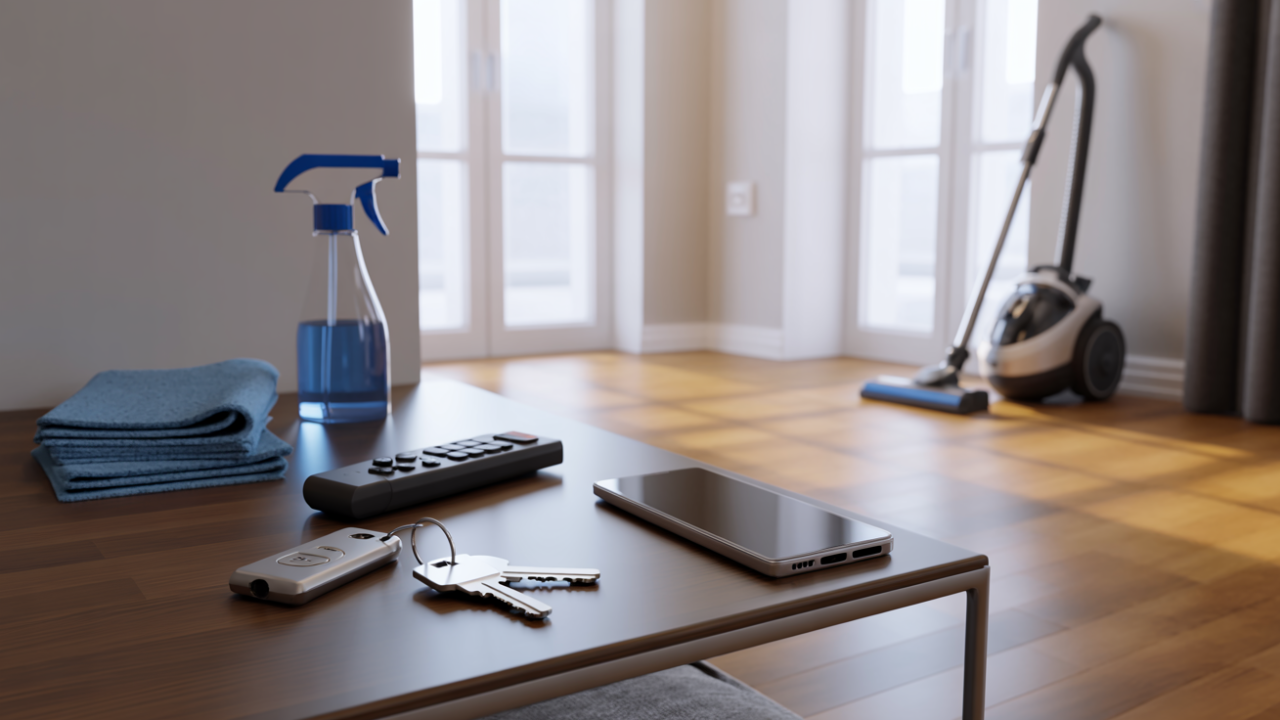
Before you start cleaning, I’d check with your landlord or property manager and ask exactly what they expect. Getting a clear answer upfront can save you time, lower the stress, and help you focus on the details that actually matter.
When I’m helping with a move-out, these are the questions I like to confirm so nothing gets missed:
- Do you have a move-out cleaning checklist I should follow?
- Do the carpets need to be professionally cleaned?
- Is oven cleaning required?
- Should nail holes be left alone, or would you like them patched?
- Where should I return keys, remotes, fobs, and parking passes?
- What’s the best way to send over move-out photos?
- Will there be a final walkthrough?
- What date starts the deposit return timeline?
If you can, get those answers in writing. A quick email is much easier to go back to later than trying to remember a conversation in the hallway.
FAQs
Is move-out cleaning required in Denver?
Move-out cleaning is usually required if your lease says the home must be returned clean or in the same general condition, aside from normal wear and tear. Even when the lease language is simple, a detailed clean helps make the final walkthrough easier and gives you a better record of how the home was returned.
Should I hire professional move-out cleaning services in Denver?
Professional move-out cleaning services in Denver can be worth it if you are short on time, managing a large home, dealing with pets, or worried about missing inspection details. A cleaning team can focus on kitchens, bathrooms, floors, cabinets, and dust while you handle packing, movers, and key return.
Do I need to clean behind appliances?
You should clean behind appliances only if the appliances can be moved safely and your lease or property manager expects it. Do not risk damaging floors, gas lines, water lines, or appliance connections. Clean around appliance edges, under front kick spaces, and inside the appliances you can safely access.
Should I take photos before or after cleaning?
You should take the most important photos after cleaning because those photos show the condition you left behind. Before photos can be useful for pre-existing damage or major issues, but final clean photos are the ones that best support your move-out record.
Checklist
- Remove all belongings and trash
- Clean kitchen appliances inside and outside
- Scrub bathrooms and floor edges
- Wipe cabinets, drawers, doors, and baseboards
- Vacuum carpet slowly and mop hard floors
- Take bright photos of every finished room
- Save receipts, emails, and move-out messages
- Return keys exactly as instructed
Summary

A move-out cleaning checklist can make the last stretch feel a lot less stressful. It helps you leave your Denver home clean, keep everything documented, and make the handoff easier. I always recommend working room by room, giving the kitchen and bathrooms extra attention, taking clear photos, and keeping your records organized until the deposit process is finished.
If you’d rather not handle that final clean on your own, I’d love to help. At Broom The Room, my team and I offer move-in and move-out cleaning in Denver that’s detailed, dependable, and easy to book. Reach out now to tell me about your space, your timeline, and your biggest priorities, and we’ll help make the home feel spotless, cared for, and ready for what’s next.